
Grout can absorb up to 15% of its weight in water, according to the Tile Council of North America, which explains why those once-bright lines between your tiles slowly turn dark and dingy.
I learned this the hard way in my own kitchen. One spilled cup of coffee, one lazy wipe, and suddenly the grout lines looked like they had stories to tell, none of them good. It turns out grout is not the solid, sealed material most people assume. It is porous, almost sponge-like. Experts who tile clean surfaces often point out that dirt, oils, and moisture slip into those tiny pores easily, where regular mopping cannot reach.
Why Grout Absorbs Moisture
Grout is typically made from a mix of cement, water, and sand. Once it dries, it hardens, but it does not become waterproof. The structure contains microscopic holes, known as capillaries. These tiny spaces pull in liquid through a process called capillary action, the same phenomenon that lets a paper towel soak up a spill.
Everyday life makes things worse. Walking across tiles brings in dust and oils. Cleaning products leave behind residues. Even plain water carries minerals. Over time, these particles settle deep inside the grout, creating stains that seem impossible to remove.
Humidity plays a role too. In warmer climates, moisture hangs in the air longer. Bathrooms and kitchens become prime zones for absorption. It is a slow process, almost invisible at first, until one day you notice your grout has changed color entirely.
Mold and Mildew, The Unwelcome Guests
Moisture alone is not the biggest issue. The real problem starts when organic material, like soap residue or food particles, gets trapped in the grout. This creates the perfect environment for mold and mildew.
The Centers for Disease Control and Prevention explains that mold thrives in damp, warm environments with a food source. Grout provides all three. Once mold spores settle in, they grow quickly, spreading along grout lines like tiny dark veins.
And here is the frustrating part. You might scrub the surface and think it is clean, but mold often lives beneath the top layer. It is like trimming weeds without pulling the roots. Give it a few days, and it is back.
I once tried a DIY vinegar solution, convinced I had cracked the code. It worked for about a week. Then the stains returned, slightly darker, slightly more stubborn. Turns out, home remedies for cleaning are not always suitable, especially for deep-set grout issues where bacteria and moisture hide beneath the surface. Lesson learned.
Preventative Sealing Techniques
Sealing grout is one of the most effective ways to stop staining before it starts. A grout sealer acts as a barrier, reducing how much moisture can enter those tiny pores.
There are two main types of sealers. Penetrating sealers soak into the grout and block water from within. Surface sealers form a protective layer on top. Both have their place, depending on the type of tile and location.
Application matters more than people think. A rushed job leaves gaps. Too much sealer creates a sticky film. The process requires patience, steady hands, and a bit of practice. Many homeowners skip it entirely, then wonder why their grout ages so quickly.
Regular maintenance helps extend the protection. Resealing every year or two keeps the barrier strong, especially in high-traffic areas like kitchens and entryways.
The Benefits of Expert Cleaning Methods
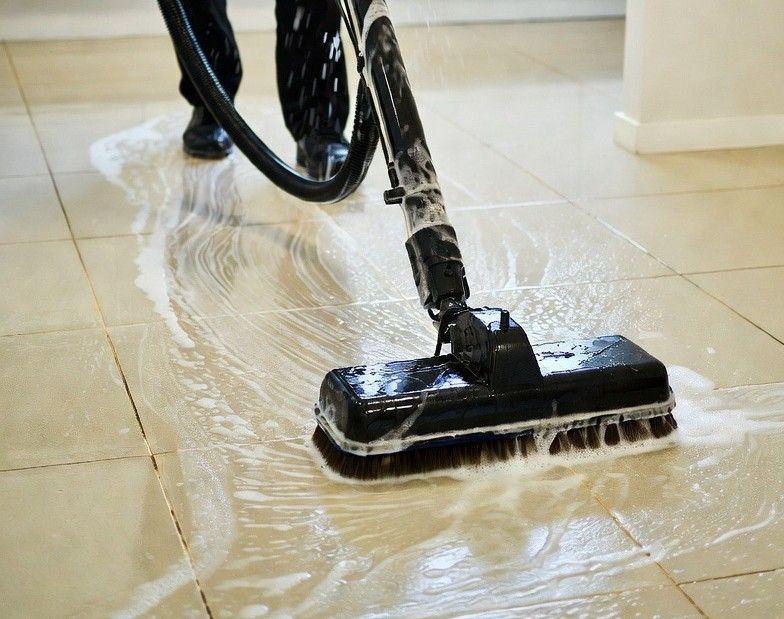
Professional cleaning goes deeper than scrubbing with a brush. Specialists use high-pressure steam, alkaline cleaners, and extraction equipment designed to pull contaminants out of the grout.
These methods target what is beneath the surface, breaking down oils and bacteria that household cleaners cannot reach. It is less about making tiles look good and more about restoring the material itself.
Another advantage is time. What might take you an entire weekend, and still leave uneven results, can often be handled in a few hours by someone with the right tools.
There is also a bit of science in choosing the correct solution. Different stains respond to different treatments. Organic stains, mineral deposits, and grease each require a specific approach. Guessing wrong can actually make things worse.
Fixing Stained Grout, A Practical Approach
If your grout is already stained, start simple. A paste of baking soda and water can help lift light discoloration. For tougher stains, oxygen-based cleaners work better than harsh chemicals. They break down grime without damaging the grout.
For deeper issues, especially mold, it may be time to call in professionals. In some cases, regrouting might be necessary. It sounds extreme, but replacing damaged grout can restore both appearance and hygiene.
And yes, staying consistent with how you tile clean your floors makes a difference. Quick wipe-downs, proper ventilation, and using the right cleaning products go a long way.
Conclusion
Grout may seem like a minor detail, but it plays a big role in the health and look of your home. Its porous nature makes it vulnerable to moisture, stains, and mold, yet understanding the science behind it gives you an advantage.
With proper sealing, smart maintenance, and the occasional deep clean, you can keep grout lines looking fresh instead of forgotten. A little effort now saves a lot of scrubbing later. And if you ever doubt it, just remember my coffee incident, grout never forgets.
Keep a routine, stay proactive, and do not underestimate the value of a good tile clean every now and then. Your floors will thank you, even if they cannot say it out loud.